
Master the Art of Whole Food Cooking
Discover the fundamental techniques and principles that transform simple ingredients into nourishing, delicious meals. Learn how Natural Healthy Meals guides you through the essentials of whole food preparation.
The information on this site is for educational purposes only and does not constitute medical advice. Always consult a qualified healthcare professional before making health decisions.
Why Whole Food Cooking Matters
Understanding the fundamentals of whole food cooking empowers you to make informed choices about what you prepare and consume. Here's what sets whole food cooking apart.
Natural Ingredients
Whole food cooking focuses on unprocessed, recognizable ingredients—fruits, vegetables, grains, legumes, and proteins in their most natural forms. When you know exactly what goes into your meals, you make better nutritional decisions.
Cooking Techniques
Master essential methods like roasting, steaming, sautéing, and slow cooking. These fundamental techniques preserve nutrients and enhance natural flavors, helping you create meals that taste better and provide lasting satisfaction.
Flavor Development
Learn how to build layers of flavor without relying on artificial additives or excessive salt and sugar. Understand seasoning principles, herb pairings, and cooking temperatures that bring out the best in every ingredient.
Nutritional Understanding
Discover how different cooking methods affect nutrient content and bioavailability. Gain practical knowledge about balanced meal composition and how to create satisfying, nourishing plates that support your daily wellness.
Meal Planning Basics
Learn how to organize your kitchen, plan seasonal menus, and prepare simple meals efficiently. Whole food cooking doesn't require hours—smart planning and foundational techniques make it accessible to busy households.
Sustainable Practices
Explore how whole food cooking naturally reduces packaging waste and supports mindful consumption. Understand ingredient sourcing, seasonal eating, and how simple cooking practices align with environmental responsibility.
Our Five-Step Cooking Method
Every great meal starts with understanding these fundamental steps. Whether you're preparing breakfast or dinner, this proven approach ensures consistent, delicious results.
Select & Prepare
Choose fresh, whole ingredients appropriate for your meal. Clean, trim, and prep items before cooking begins. Proper preparation creates efficiency and ensures even cooking throughout.
Set Your Base
Start with aromatics—onions, garlic, or herbs—that create a flavor foundation. This step builds depth and complexity, allowing your ingredients to develop richer taste profiles as cooking progresses.
Apply Heat Wisely
Use the appropriate cooking method and temperature for your ingredients. High heat for quick sears, gentle heat for tender results. Understanding heat control is central to whole food mastery.
Season & Taste
Layer flavors gradually and taste frequently. Season at different cooking stages to build complexity. Learn which seasonings enhance without overwhelming the natural taste of your whole foods.
Finish & Present
Complete your dish with fresh herbs, quality fats, or texture elements. Thoughtful finishing elevates simple ingredients into memorable meals. Presentation matters—it enhances enjoyment and signals care.
Why Whole Foods Matter
Whole food cooking is more than a technique—it's a philosophy about what nourishes your body. By understanding fundamentals, you move away from processed convenience and toward intentional, flavorful meals that work with your body, not against it.
-
Know Every Ingredient
No hidden additives, no mystery components. You control what enters your kitchen and onto your table.
-
Preserve Nutritional Value
Proper cooking methods protect vitamins, minerals, and other beneficial compounds your body depends on daily.
-
Enjoy Real Flavors
Whole foods taste better when prepared well. Discover how simplicity and quality technique create lasting satisfaction.
-
Build Sustainable Habits
Master foundational skills that you can practice for life, adapting to any ingredient or season available to you.
Beautiful Whole Food Recipes
These recipes showcase the principles in action. Each demonstrates how whole food fundamentals create meals that are as nourishing as they are visually appealing.
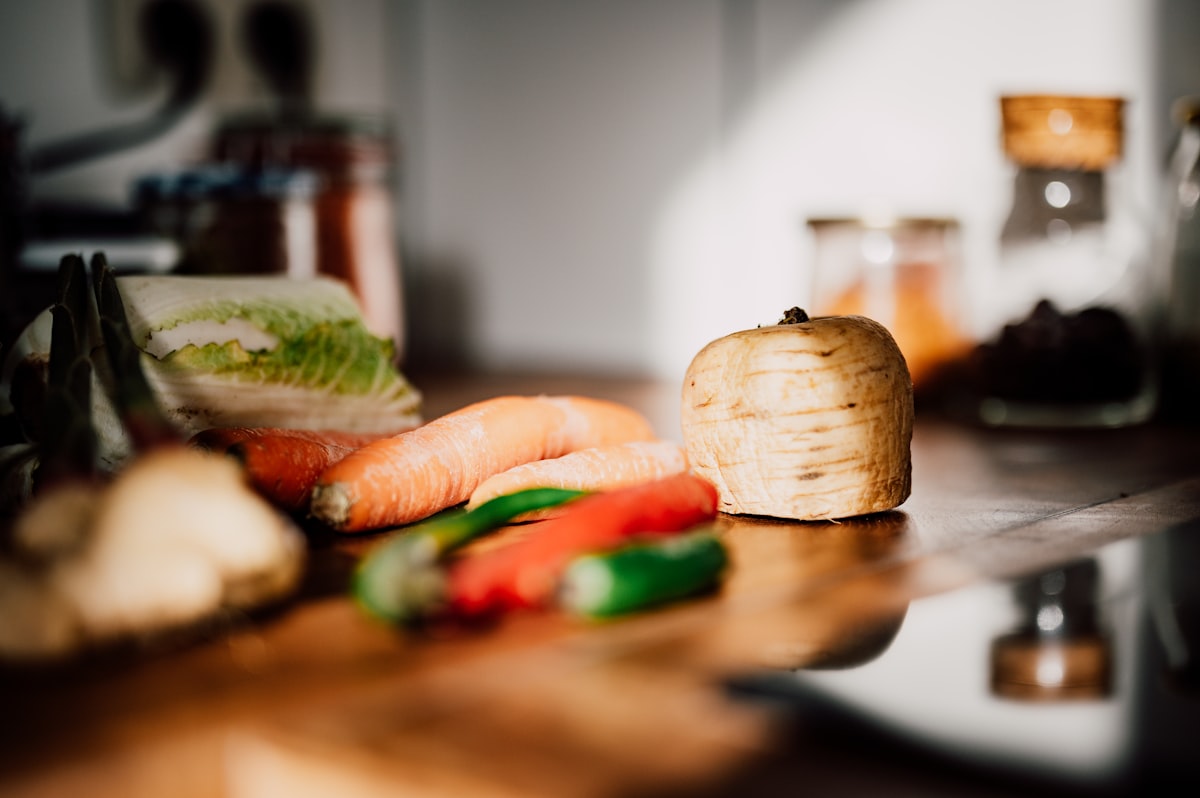
Seasonal Roasted Vegetables
Master the roasting technique with market-fresh vegetables. Learn how high heat and proper timing bring out natural sweetness and create beautiful caramelization.
Read Recipe →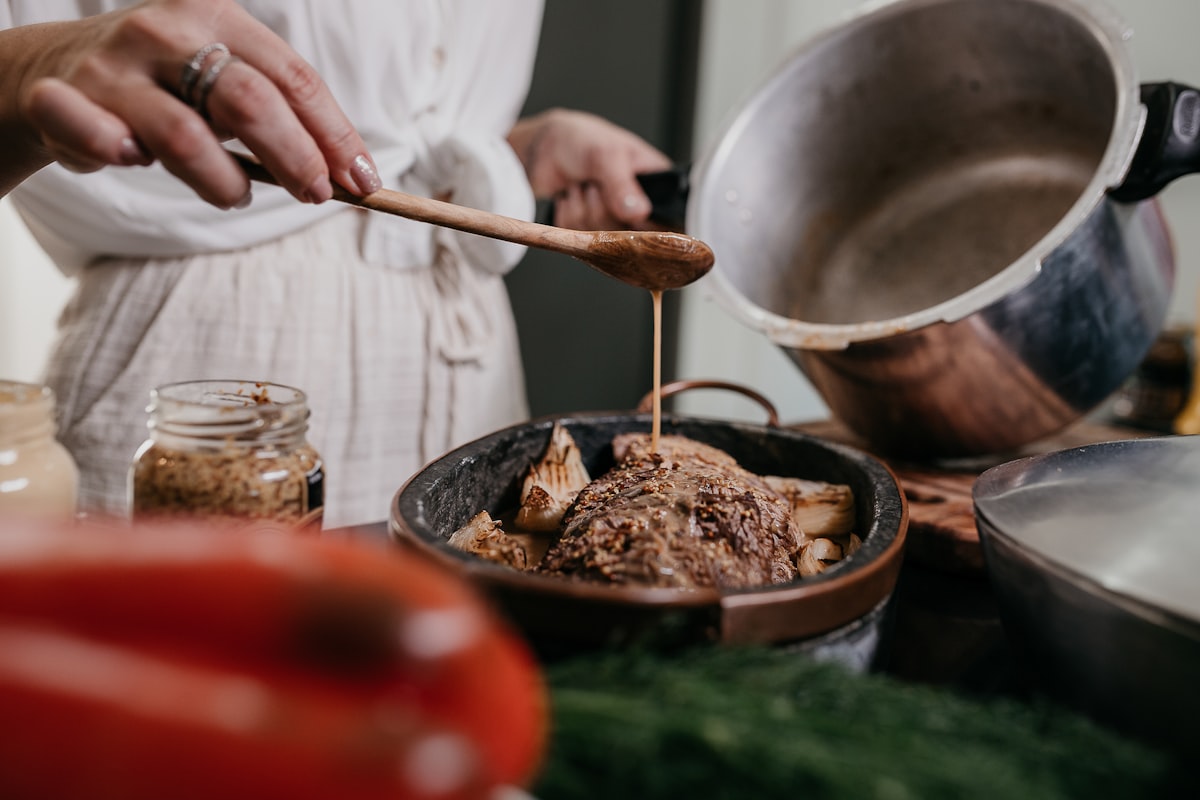
Whole Grain Power Bowl
Combine ancient grains with legumes and vegetables to create balanced, satisfying meals. Understand how layering different whole foods creates complete nutrition and texture.
Read Recipe →
Herb-Steamed Fish with Citrus
Gentle steaming preserves delicate proteins while herbs and citrus add brightness. Perfect example of simple technique creating elegant, nourishing results.
Read Recipe →
Slow-Cooked Legume Stew
Discover how low, slow heat transforms simple legumes into deeply flavorful comfort. Learn flavor-building techniques and proper legume preparation for best results.
Read Recipe →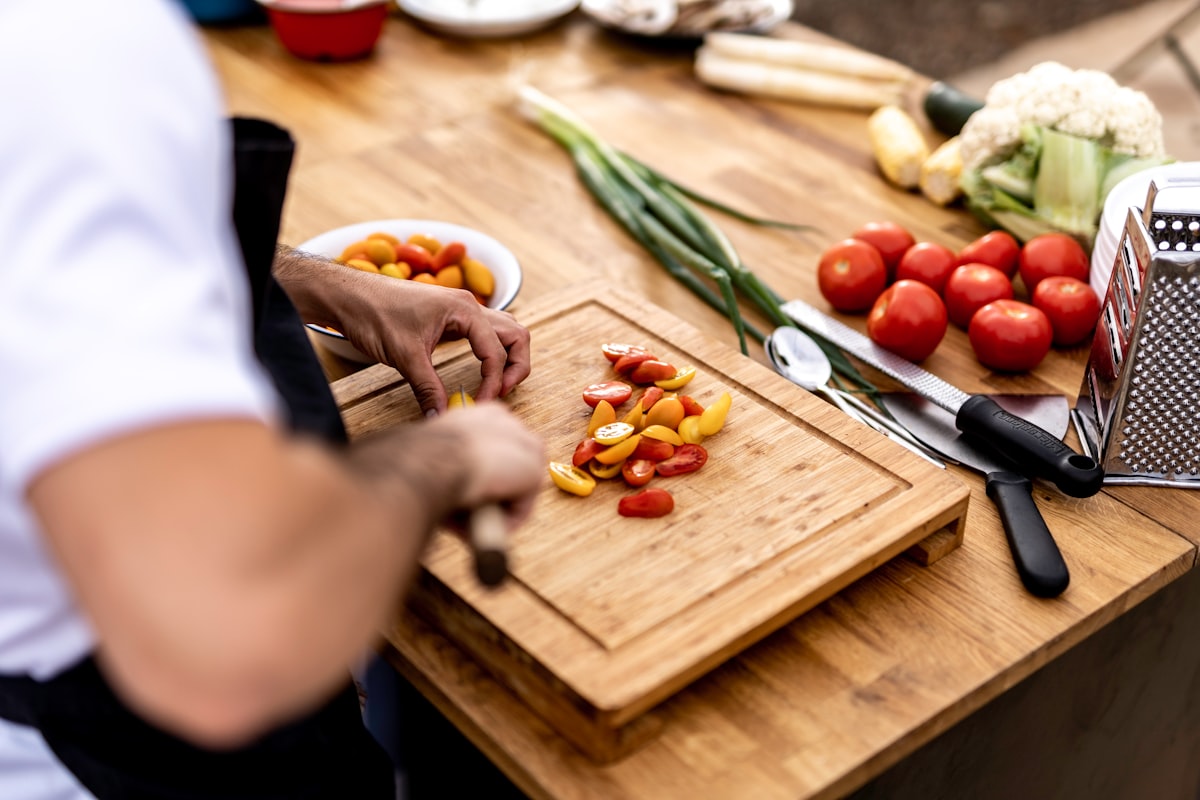
Seasonal Harvest Salad
Build salads that matter by understanding ingredient selection, dressing balance, and texture combinations. Learn why whole food salads go far beyond basic greens.
Read Recipe →
Artisan Whole Grain Bread
Understand fermentation, hydration, and heat application in bread making. These fundamental principles create bread with superior nutrition and flavor from simple whole grain flour.
Read Recipe →Common Questions Answered
Understanding the fundamentals of whole food cooking raises important questions. Here are answers to some of the most common inquiries our readers ask.
Whole foods are foods that are unprocessed or minimally processed, as close to their natural state as possible. They include vegetables, fruits, grains, legumes, nuts, seeds, and unprocessed animal proteins like fish and poultry. The key distinction is that whole foods contain all their original nutrients and fiber, without added sugars, artificial preservatives, or other modifications. When you buy ingredients that can be identified by their original name—carrots, lentils, brown rice, salmon—you're working with whole foods.
Not necessarily. While some whole food cooking techniques do take time—like slow-cooking stews—many fundamental approaches are quick. A simple stir-fry of vegetables and protein takes 20 minutes. Roasting vegetables requires only 5 minutes of active work. The key is learning efficient techniques and planning ahead. As you build skills, you'll find that whole food cooking actually becomes faster than navigating processed options, because you're not managing ingredient lists or complicated instructions.
Proper whole food cooking produces meals that taste delicious, look appetizing, and make you feel satisfied. The best indicator is flavor—when whole foods are cooked well, they taste naturally good without needing excessive salt or added sugars. Texture matters too: vegetables should be tender but not mushy, grains should be fluffy or properly chewy, proteins should be cooked through but not dry. Trust your senses, taste frequently during cooking, and remember that whole foods are forgiving once you understand basic heat and timing principles.
You don't need much. The fundamentals require a sharp knife for proper prep, one good cutting board, a large skillet or sauté pan, a pot for boiling and stewing, a baking sheet for roasting, and basic utensils like wooden spoons and tongs. Quality matters in a few pieces—a sharp knife makes prep safer and faster—but expensive equipment isn't necessary. Many experienced whole food cooks use the same basic tools year after year. Focus on learning technique first; quality equipment will enhance your ability over time.
Switzerland has excellent resources for whole foods. Local farmers' markets offer seasonal produce directly from growers—visit during peak season for best selection and price. Supermarkets like Migros and Coop stock quality whole ingredients year-round. Look for organic certifications if that matters to you, but regular whole foods are still vastly better than processed options. Consider building relationships with local producers; they can tell you about their growing methods and may offer seasonal specials. Shopping seasonally aligns with natural availability and typically costs less than out-of-season options.
Absolutely. Detailed articles and step-by-step guides are excellent for learning fundamentals. They allow you to study at your own pace, reference techniques repeatedly, and understand the 'why' behind each step. Natural Healthy Meals provides comprehensive guides covering selection, preparation, cooking methods, and flavor-building. The combination of written instructions with recipe examples helps you develop intuition about whole food cooking. Many professional cooks learned foundational skills through reading and practice—you gain experience by cooking frequently and applying what you learn.
Success Stories from Our Readers
People who have applied whole food cooking fundamentals share how these skills transformed their approach to eating and their overall wellness journey.
"I spent years buying convenience foods, thinking I didn't have time to cook. The fundamental techniques from Natural Healthy Meals showed me that simple whole food meals actually take less time than I expected. Now my family eats better, spends less money, and I actually enjoy the cooking process. The step-by-step guides made everything click for me."
Maria Schmid 4.9/5
Zürich
"As someone learning to cook later in life, I was intimidated. The Natural Healthy Meals guides break everything down so clearly—from proper knife skills to understanding heat control. I've learned that cooking isn't mysterious; it's just following fundamentals. Now I cook dishes I thought only restaurants could make."
Stefan Müller 5.0/5
Bern
Stay Updated with New Guides
Get the latest articles and fundamental cooking techniques delivered to your inbox.
Frequently Asked Questions
Ready to Transform Your Health?
Join thousands of customers who've discovered the power of naturally healthy meals.