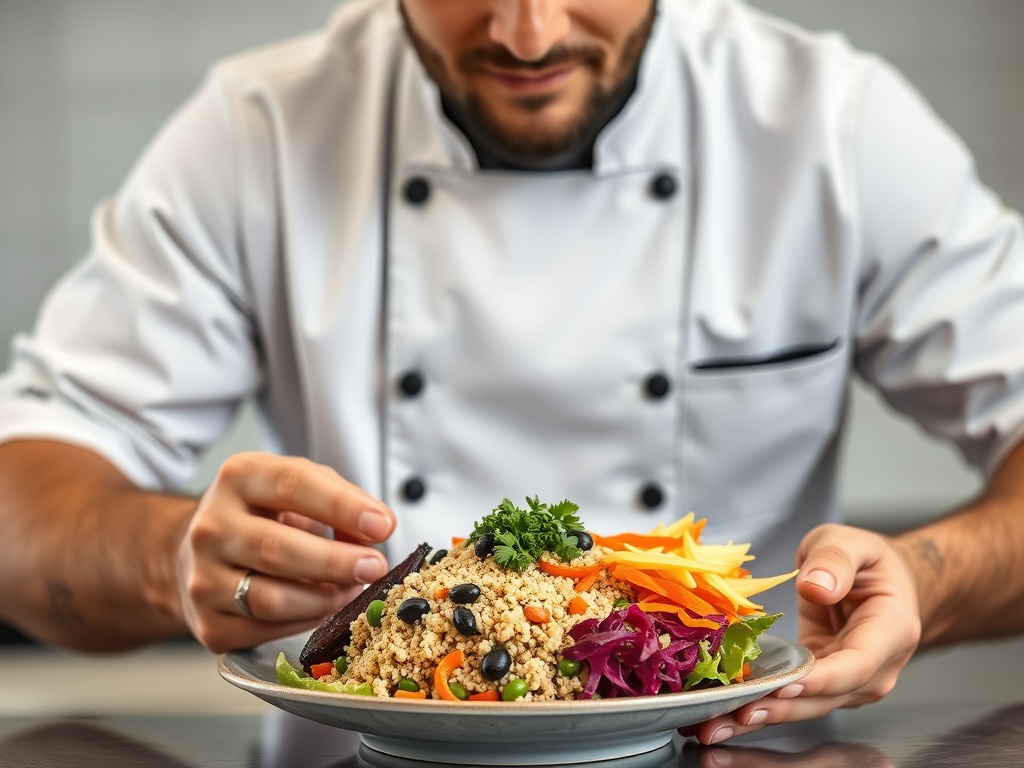
Master the Art of Healthy Cooking with Real Ingredients
Welcome to Pure Ingredients Guild, where nutritious cooking meets simplicity. Learn to prepare delicious, wholesome meals using fresh, unprocessed ingredients. Our comprehensive online course transforms your kitchen into a wellness sanctuary.
- Lifetime recipe access included
- Video tutorials from experts
- Nutrition guides included

Why Choose Us
Transform Your Kitchen Into a Health Hub
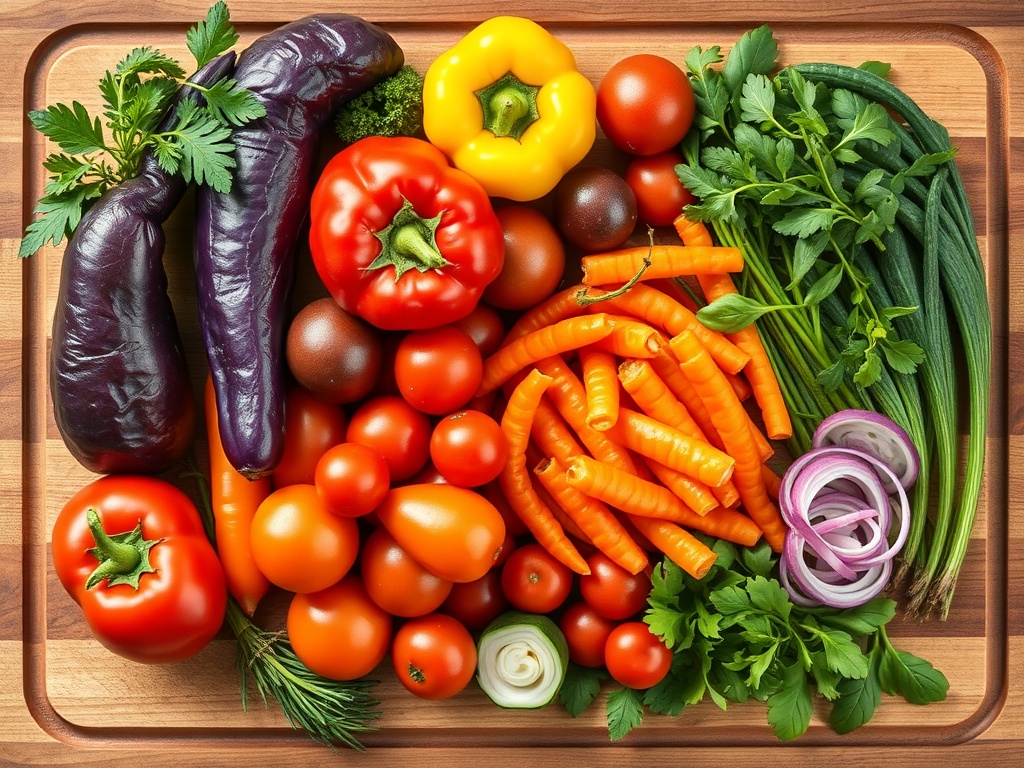
Pure Ingredients Guild is your trusted partner in healthy eating. We believe cooking with real, whole ingredients is the foundation of wellness. Our expert instructors guide you through practical techniques that make nutritious meals achievable every day.
Core Features
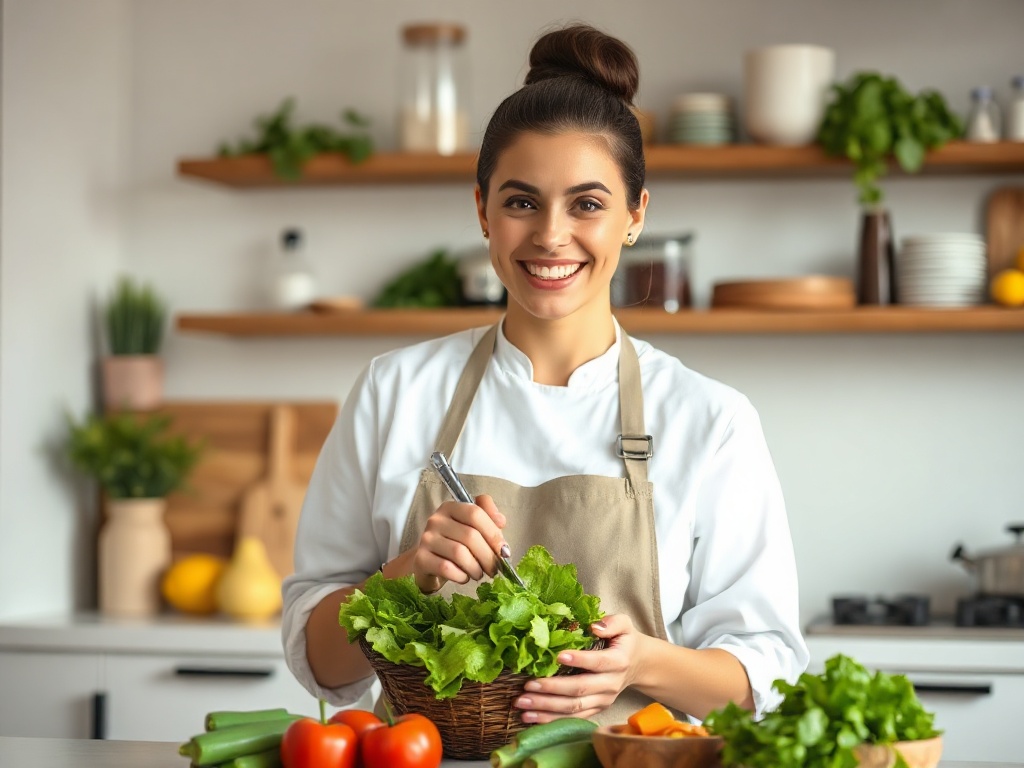
Learn Professional Techniques That Make Healthy Cooking Simple and Enjoyable

8k+
Happy Students
12+
Years Teaching
95%+
Student Satisfaction
40+
Nutrition Experts
Core Features
Start Your Healthy Cooking Journey Today With Our Complete Course
Easy Enrollment
Our streamlined registration takes just minutes. Access all course materials immediately and begin cooking with confidence and joy.
Comprehensive Content
From kitchen fundamentals to advanced techniques, our curriculum covers everything needed to master healthy ingredient-based cooking.
Lifetime Access
Once enrolled, enjoy permanent access to all videos, recipes, and updates. Learn at your own pace, anytime, anywhere you choose.
Personal Support System
Get answers to your questions through our active community forum and regular live Q&A sessions with our experienced nutrition instructors.
Why Choose Us
Join Thousands Learning Healthy Cooking Today
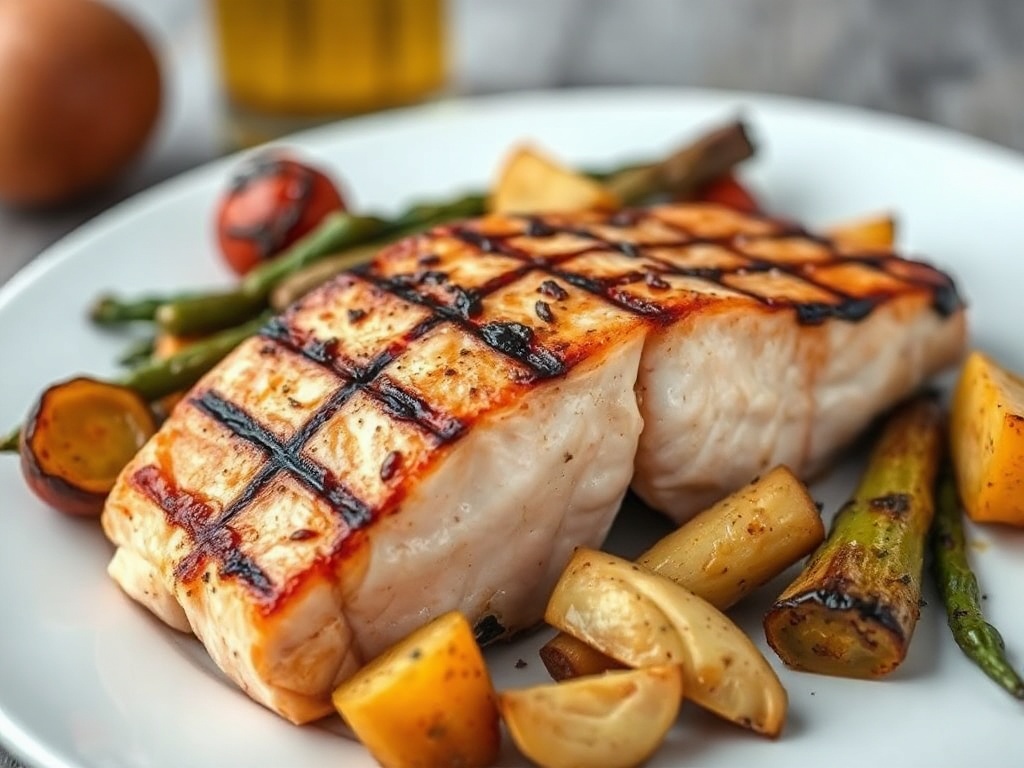
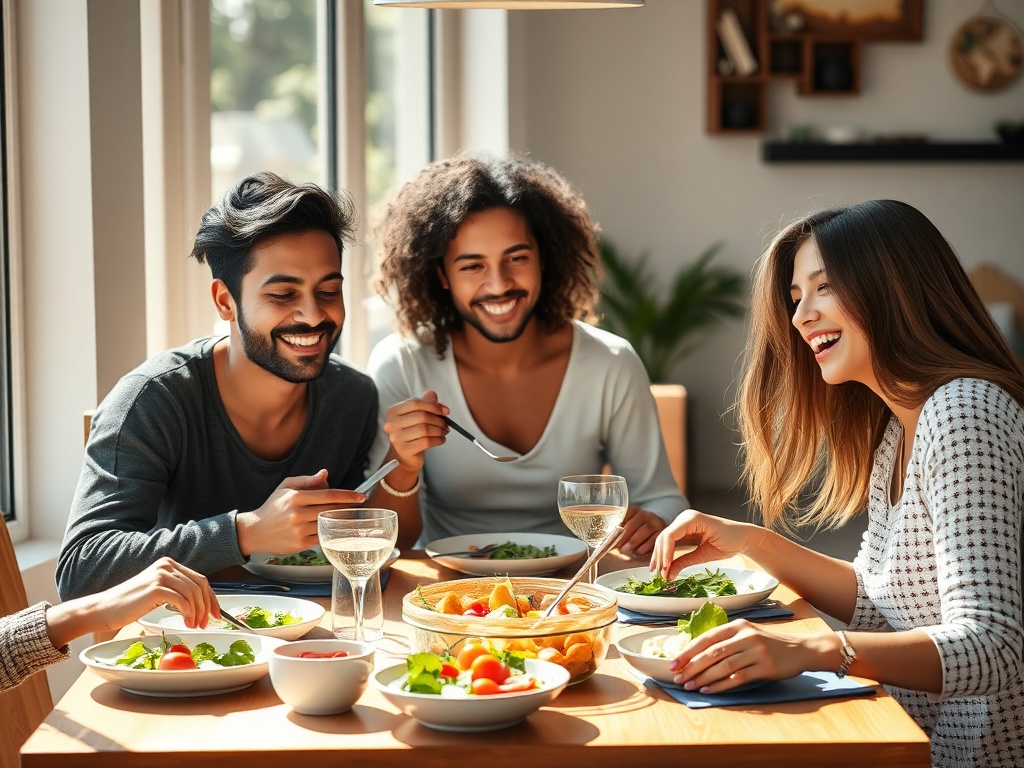
Pure Ingredients Guild stands apart because we understand that healthy eating shouldn't be complicated or restrictive. Our approach centers on celebrating whole foods, real ingredients, and the joy of cooking nourishing meals for yourself and loved ones.
What Our Students Say

Our students consistently report increased confidence in the kitchen, better health outcomes, and genuine enjoyment in meal preparation. They appreciate our practical focus, supportive community, and how the course fits real life.
Sarah Mitchell
Wellness Coach
FAQs
Questions About The Course
What ingredients will I learn to cook with in this course?
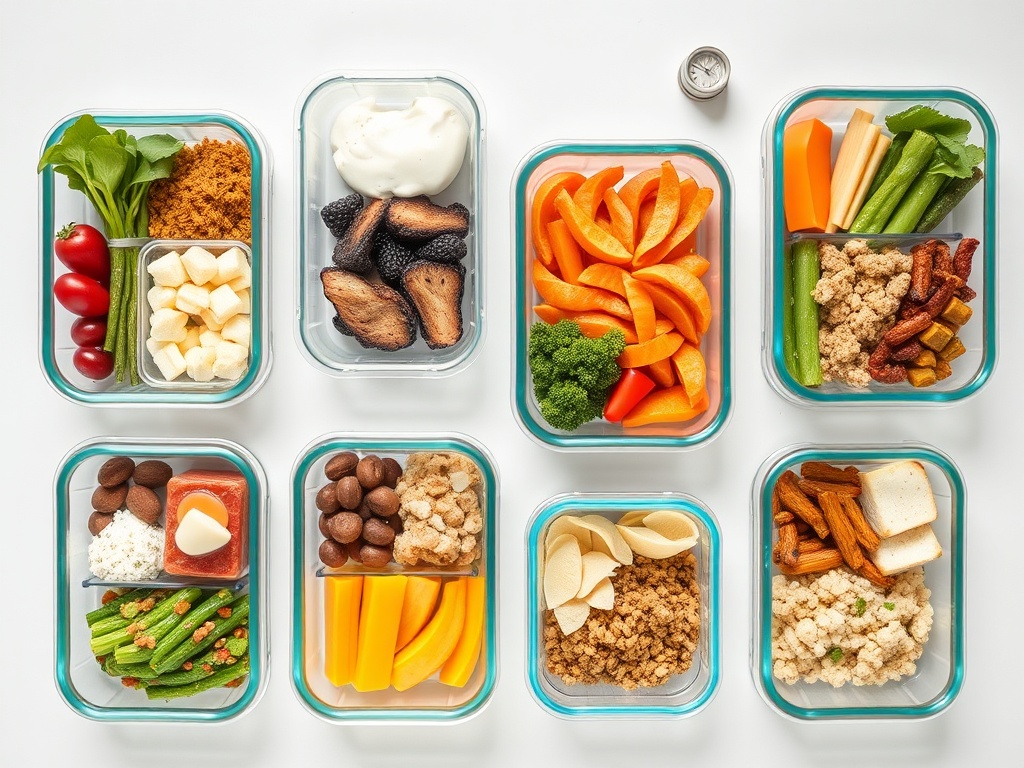
We focus exclusively on whole, unprocessed ingredients including fresh vegetables, fruits, legumes, whole grains, nuts, seeds, and quality proteins. You'll learn to work with genuine foods rather than processed products, developing skills that create lasting healthy eating habits.
Do I need cooking experience to enroll in this program?
Absolutely not. Our course welcomes complete beginners and experienced cooks alike. We start with fundamentals and progress systematically, ensuring everyone builds confidence and skills at their own comfortable pace throughout the program.
How long does it take to complete the online course?
Most students complete the course in six to eight weeks studying at a comfortable pace. However, you have lifetime access, so you can progress faster or take longer depending on your schedule and learning preferences without time pressure.
Will I receive recipes and meal plans to use after completing?
Yes, all enrolled students receive complete access to our extensive recipe library, seasonal meal plans, and shopping guides that remain available forever. These resources continue supporting your healthy cooking journey indefinitely.